
Plant Min Zone: 5b
Plant Max Zone: 10b
Sunlight: All Day Full Sun, Full Sun
Water / Rainfall: Very Low
Soil Quality: Poor
Bloom Season: Early Summer
Flower Color: White
Berry / Fruit Color: None
Spring Foliage Color: Green
Summer Foliage Color: Green
Fall Foliage Color: Green
Evergreen Foliage: Yes
Winter Interest: Yes
Scented Flowers: No
Drought Tolerance: High
Wet-Feet Tolerance: Low
Humidity Tolerance: Low
Wind Tolerance: High
Poor Soil Tolerance: Sandy Soils, Rocky Soils
Height: 4' - 8'
Width: 1' - 2'
Growth Rate: Extremely Slow
Service Life: Long: 5-10 years
Maintenance Need: Almost Zero Maintenance
Spreading Potential: Extremely Low
Yearly Trimming Tips: Yuccas and Cacti Need No Trimming Except to Remove the Dead Flower Stalk.
Plant Grouping Size: Specimen Planting of 1-3
Best Side of House: South Exposure, West Exposure
Extreme Planting Locations: Survives Under Roof Overhang, Survives Severe Drought, Tolerates Extreme Heat, Resistant to Rabbits, Crevice Gardens
Ornamental Features: Multiple Seasons of Interest, Fine Texture, Exceptional / Colorful Foliage
Special Landscape Uses: None
Possible Pest Problems: Root Rot Disease
Plant Limitations: May get Occasional Winter-kill, Has Thorns, Needs Excellent Drainage
Shippable in 2026: YES
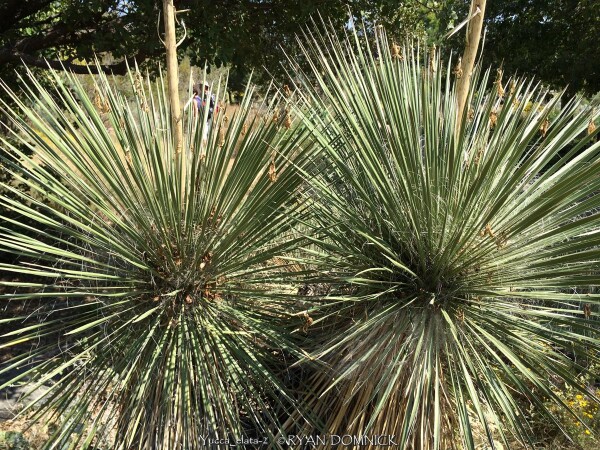
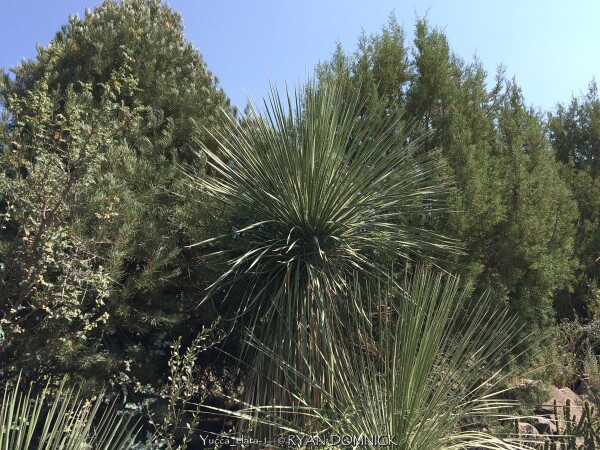
Powder Blue sword-like leaves from this yucca (Yucca elata) make an excellent architectural statement. Used as a patio plant in Kansas, place in full sun with no extra watering except from rainfall. Repotting may or may not be needed depending on how large you want the plant to grow. Potted plants are hardy to at least 0-5 degrees F if kept dry so you can wait awhile to move these in for the winter. Then move into a cold garage, basement, or bright window over the winter with NO watering. Luckily monocarpic flowering will never occur in a potted yucca so you don't have to worry about death after flowering. A suggestion to make this plant a lot more safe around your eyeballs is to clip the new spines off as the new leaves slowly unfurl. Although un-tested by the author, this yucca could survive in the ground in a microclimate under a south facing roof overhang kept completely dry in the winter and controlled water in the summer. It is suggested to buy a large plant to start with as growth is extremely slow, about 1" height per year.