
Plant Min Zone: 6b
Plant Max Zone: 10b
Sunlight: All Day Full Sun
Water / Rainfall: Very Low, Low, Average
Soil Quality: Poor
Bloom Season: Early Summer
Flower Color: White
Berry / Fruit Color: None
Spring Foliage Color: Green
Summer Foliage Color: Green
Fall Foliage Color: Green
Evergreen Foliage: Yes
Winter Interest: Yes
Scented Flowers: No
Drought Tolerance: High
Wet-Feet Tolerance: Low
Humidity Tolerance: Low
Wind Tolerance: High
Poor Soil Tolerance: Sandy Soils, Rocky Soils, Alkaline Soils (high PH)
Height: 2' - 5'
Width: 1.5' - 3'
Growth Rate: Slow
Service Life: Long: 5-10 years
Maintenance Need: Low
Spreading Potential: Extremely Low
Yearly Trimming Tips: Yuccas and Cacti Need No Trimming Except to Remove the Dead Flower Stalk.
Plant Grouping Size: Specimen Planting of 1-3
Best Side of House: South Exposure, West Exposure
Extreme Planting Locations: Survives Under Roof Overhang, Survives Severe Drought, Tolerates Extreme Heat, Resistant to Rabbits, Crevice Gardens
Ornamental Features: Multiple Seasons of Interest, Fine Texture, Exceptional / Colorful Foliage
Special Landscape Uses: None
Possible Pest Problems: Root Rot Disease
Plant Limitations: May get Occasional Winter-kill, Has Thorns, Needs Excellent Drainage
Shippable in 2026: YES
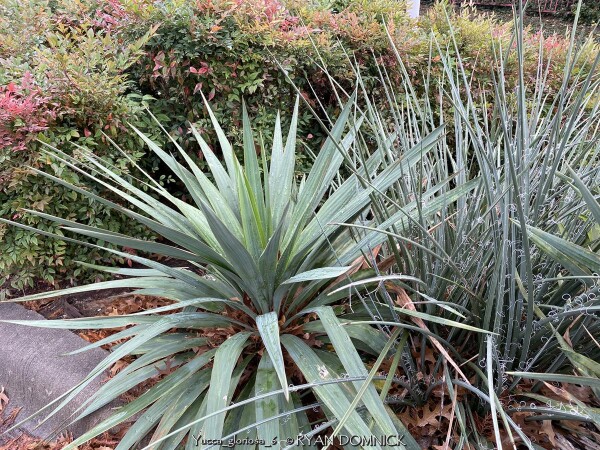
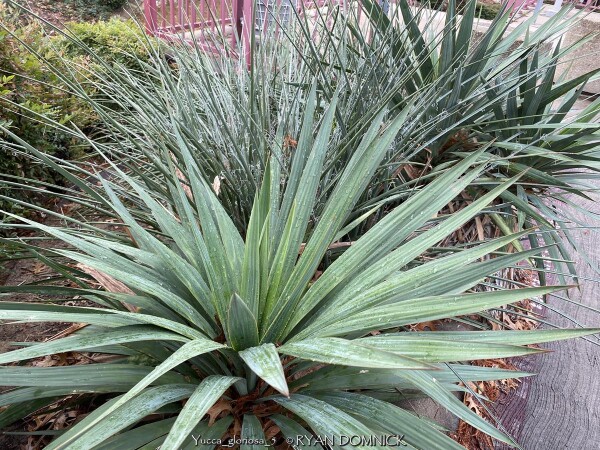
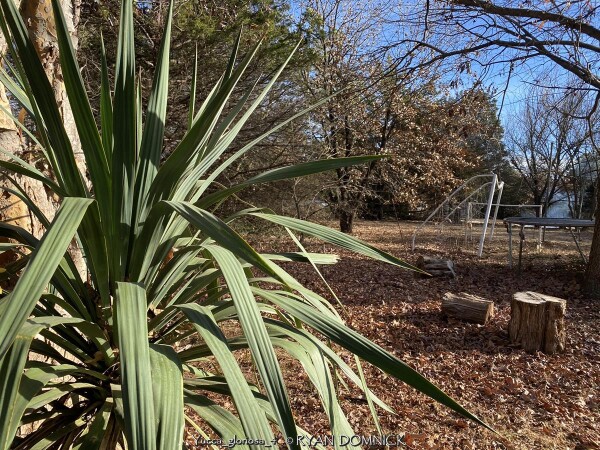
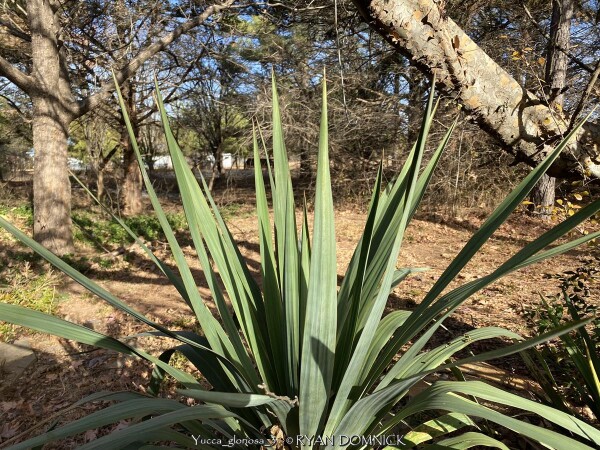
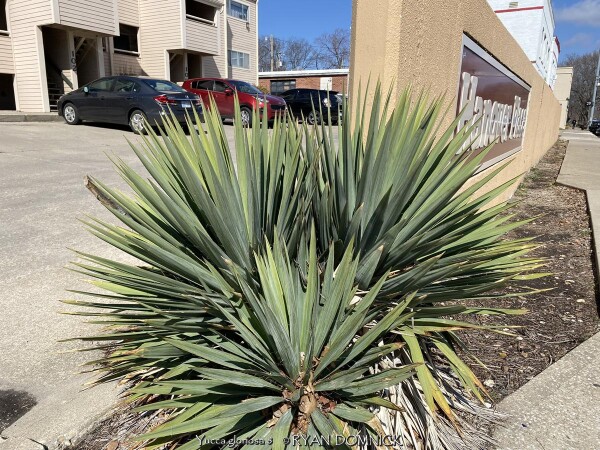
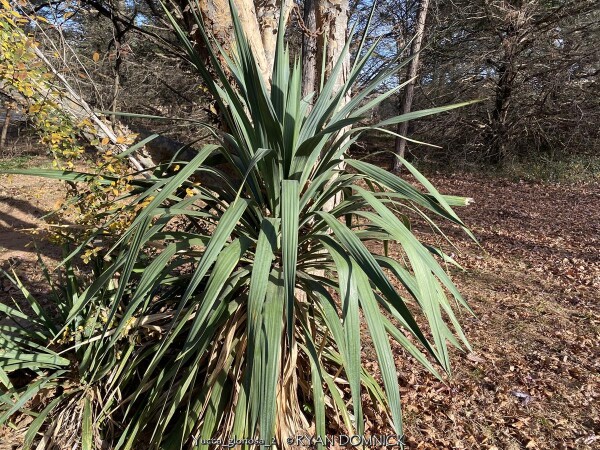
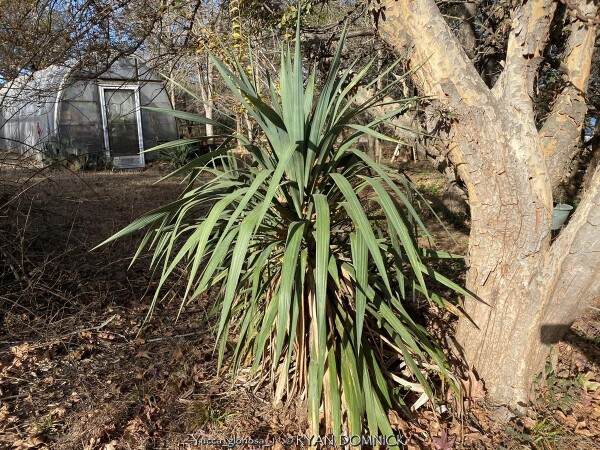
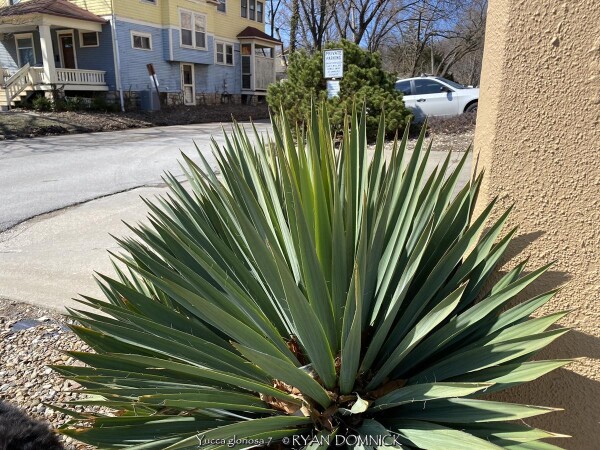
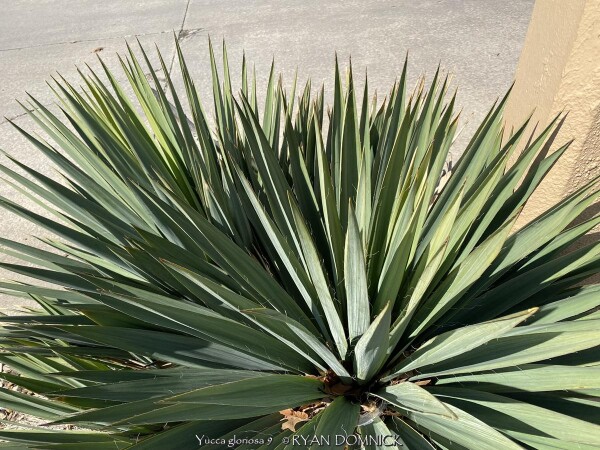
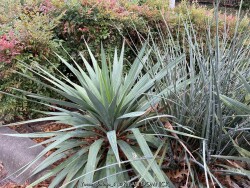
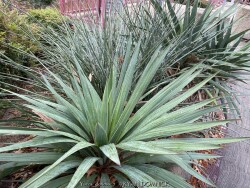
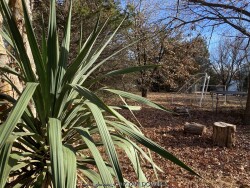
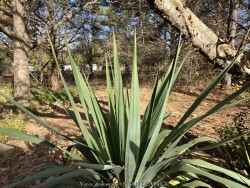
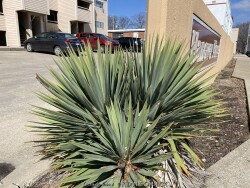
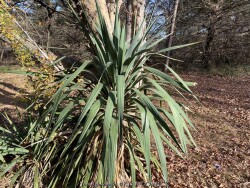
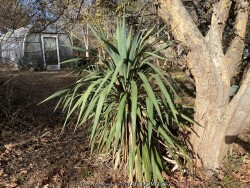
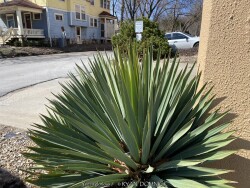
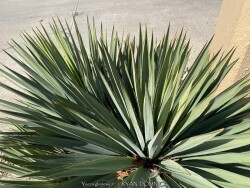
Spanish Dagger Yucca (Yucca gloriosa) is a slow-growing broadleaf evergreen perennial. Blue-green leaves form rosettes about 2-5 feet tall and 2-3 feet wide. Tall white flower spikes reliably appear on mature plants in May and June. If pollination is successful, attractive seed heads form later turning to black before cracking open. Although yuccas are more typical of western deserts and grasslands, this one is native to the eastern United States coastal sand dunes from Florida to North Carolina. Tough as nails and able to grow in pure sand, this yucca cannot tolerate wet or slow draining soils. Avoid use where children or pets play; needles are sharp and unforgiving! Flowers are quite attractive and full of medicinal and edible uses for those inclined to learn more. Yuccas look best when combined with other flowering plants providing texture and color. In mass plantings, yucca can create an interesting architectural look. Combined with ornamental grasses, yuccas can create stunning contrasts with winter grass colors of pink, orange and rust. Yucca flowers are pollinated exclusively by the yucca moth and deserve a place in native plant and pollinator gardens. This is a true 4-season "Once it's there, it's there forever" plant! We think the published zone 7 hardiness rating by most authors is too conservative after recently spoting an established 2-3' tall specimen has flourished in Lawrence, KS zone 6a for many years. It was growing in an average fescue grass yard with typical Kansas soil and survived -16 degrees F and a week of single digit highs in February, 2021.